Kenya Wildlife Service ran one of its largest elephant translocations in years between Mwea National Reserve and Aberdare National Park. Teams moved elephant family groups out of a reserve that had simply run out of room for them.
Touring Insights lays out why the move happened and how KWS actually relocates wild elephants. It also covers what this means for anyone planning a visit to Aberdare, with real figures, not vague conservation talk.
Why KWS Moved Elephants Out of Mwea
Mwea National Reserve sits at the confluence of the Tana and Thiba rivers in Kirinyaga and Embu counties. It sits roughly 160 km northeast of Nairobi. The reserve covers just 42 km2, a small patch of Acacia-Commiphora bushland on the shore of the Kamburu Reservoir. That is not much land for a growing elephant population.
KWS records show the reserve’s elephants grew from 49 animals in 1979 to around 156 in recent counts. That is more than triple what the land was ever set up to support. Elephants pushed against reserve boundaries looking for food and water, and nearby farms absorbed the pressure. Crop losses and conflict incidents climbed year after year.
Rather than build higher fences, KWS chose to give the elephants more space. Aberdare National Park, a forest ecosystem to the northwest, had lower elephant density and room to absorb new arrivals.
Mwea National Reserve: A Small Reserve Under Pressure
Mwea is easy to overlook next to Kenya’s bigger-name parks, but it carries real conservation weight. Beyond elephants, the reserve protects over 200 recorded bird species along the Tana-Thiba confluence. Resident hippos and crocodiles also live in the rivers themselves.
The reserve’s small size is also its defining limitation. At 42 km2, Mwea is smaller than many private conservancies in the Masai Mara ecosystem. Elephants need large home ranges, often moving well beyond a single reserve’s fence line in search of seasonal food. When a population triples inside a fixed boundary, something has to give. That something is usually the fence, or the crops just beyond it.
Aberdare National Park: More Room, Higher Ground
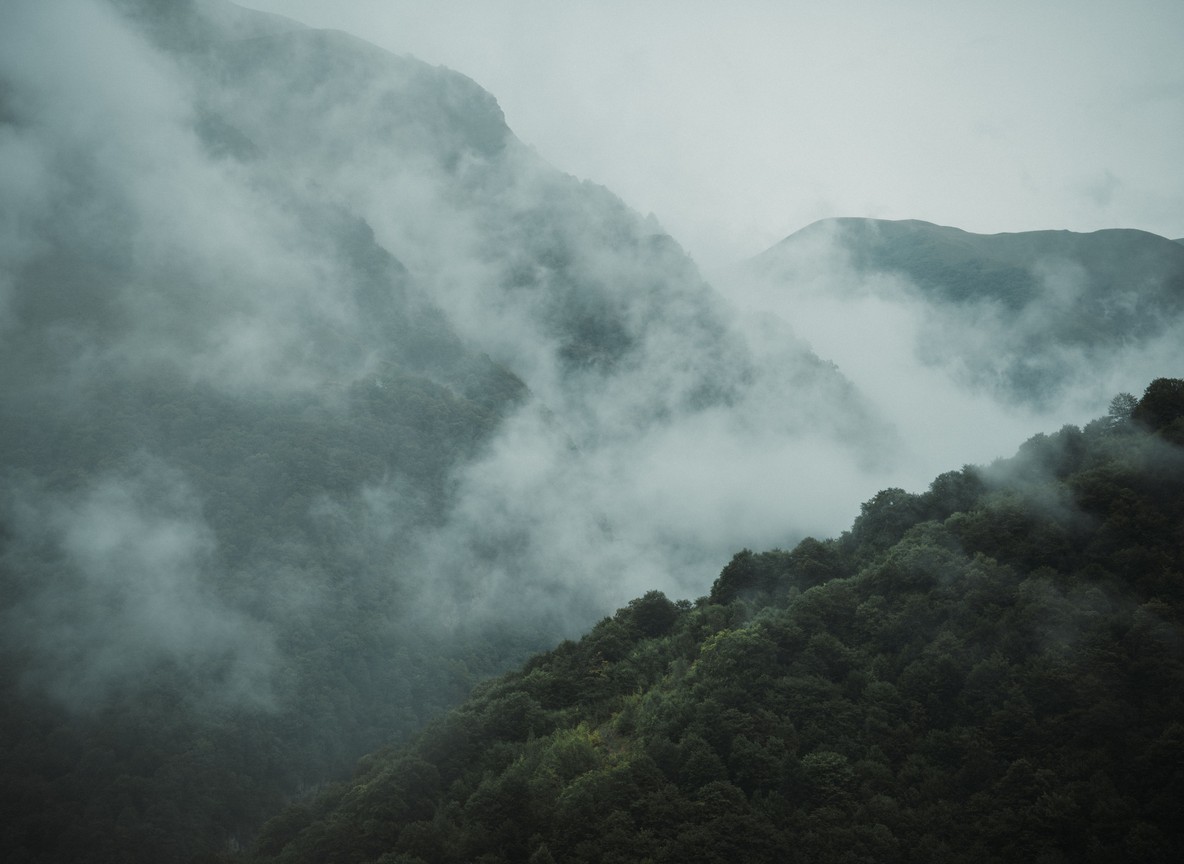
Aberdare National Park covers about 766 km2 across the Aberdare mountain range. It stretches from the forested Salient zone at lower elevation up to open moorland near 4,000 meters. That is roughly eighteen times the land area of Mwea. The ecosystem is cooler and wetter, entirely different from the low-lying Tana River bushland.
A roughly 400 km electric fence, built by the Rhino Ark Charitable Trust, rings the wider Aberdare ecosystem. It keeps wildlife inside protected forest. That reduces the same kind of crop-raiding conflict that pushed Mwea’s translocation forward in the first place. Main access points include the Ruhuruini, Kiandongoro, and Wandare gates. Guests heading to The Ark and Treetops lodges use the dedicated Salient gate.
How KWS Relocates Wild Elephant Families
Moving a wild elephant is nothing like loading livestock. KWS uses a fixed-wing aircraft to spot herds from the air, since elephants naturally travel in tight family units. A helicopter then herds and separates the target group. Veterinary teams can then dart individuals without splitting a family across two locations. Keeping the family together matters enormously to elephant social bonds.
Once darted, each elephant is loaded by crane onto a flatbed truck for the road journey to its new home. KWS fits at least one elephant per family group with a GPS collar. Rangers track the collar through the EarthRanger monitoring system for roughly two years after release. That tracking window lets rangers confirm translocated families settle into their new range. The alternative, a long walk back to where they started, is the single biggest risk in any elephant translocation.
This particular operation ran over 17 days and moved elephant family groups in stages rather than all at once. Its reported cost to the government was about KES 14 million. Multiple family units traveled the road route to Aberdare. Each convoy was timed to keep sedation windows as short as possible for the animals’ safety.
Mwea vs Aberdare: The Numbers
| Factor | Mwea National Reserve (source) | Aberdare National Park (destination) |
|---|---|---|
| Size | 42 km2 | 766 km2 |
| Location | Kirinyaga/Embu counties, Tana-Thiba confluence | Central Highlands, Nyeri and Nyandarua counties |
| Distance from Nairobi | Approx. 160 km via Thika and Sagana | Approx. 160 km via Nyeri, about 3 hours drive |
| Elevation | 1,000-1,100 m | 1,830-4,000 m (Ol Donyo Lesatima peak) |
| Main gates | Makima Gate | Ruhuruini, Kiandongoro, Wandare, Salient (Ark/Treetops) |
| Elephant population trend | Grew from 49 (1979) to about 156 | Absorbing new family groups, lower density |
| Non-resident entry fee (indicative) | Confirm on KWS eCitizen before travel | USD 70-80/day, confirm current rate on KWS eCitizen |
| Known for | 200+ bird species, hippos, Kamburu Reservoir | The Ark and Treetops lodges, floodlit waterhole viewing |
Park fees change and vary by season. Always confirm current pricing on the official KWS eCitizen portal before booking.
What This Means for Coexistence and Safari Travel
Mwea’s story is a small-scale version of a problem playing out across Kenya. Protected areas have fixed boundaries, but wildlife populations do not always cooperate with a map. Fencing keeps elephants inside. Yet it also caps how many a reserve can support before conflict spikes for farmers on the other side.
Translocation is expensive and logistically demanding. KWS cannot run an operation like this every year for every reserve under pressure. When it does work, though, it buys breathing room for both sides. Communities near Mwea benefit from fewer crop-raid incidents. Aberdare’s larger forest block, meanwhile, gains a healthier elephant population without visible overcrowding.
For safari travelers, this shapes which parks feel busy with elephants and which feel calmer. A reserve like Mwea is closer to its historical carrying capacity after the move. It may show quieter, more relaxed elephant behavior on future game drives.
Visiting Aberdare Today: Comfortable Wildlife Viewing at Any Pace
Aberdare rewards travelers who want to see elephants without a long, bumpy game drive. The Salient’s tree lodges, The Ark and Treetops, are built around a floodlit waterhole. You settle into a viewing deck or your room’s window seat. The wildlife comes to you, often through the night.
This makes Aberdare a genuinely comfortable option if strenuous activity is not the goal. There is no need to climb in and out of a safari vehicle for hours at a stretch. A short transfer from Aberdare Country Club brings you to the lodge. From there, the pace is up to you: cup of tea in hand, watching elephants and buffalo drink after dark.
Pack for cooler temperatures than a typical savanna safari. Aberdare’s Salient and moorland zones run cold, sometimes near freezing at dawn. That is a contrast worth planning around if your trip also includes lower, hotter parks like Mwea or the Mara.
Explorer Notes
Ask your guide at Aberdare whether any of the elephant families visible from the waterhole originally came from Mwea. Rangers who worked the translocation often recognize specific matriarchs on sight, collar or no collar.
Mwea itself now suits birders more than big-mammal seekers. With lower elephant density since the move, game drives feel calmer. The Tana-Thiba confluence remains one of the more overlooked birding stops in central Kenya.
Book Salient lodges well ahead of your trip. The Ark and Treetops run on a fixed check-in schedule tied to a shared transfer bus. Waterhole-facing rooms sell out first during the dry season. That is the same stretch when elephants gather most reliably at the salt licks.
If community conservation interests you, ask a Mwea-area guide about low-cost deterrents. Beehive fences are one example that often accompanies translocation programs. They are a small but real part of how farmers and elephants share the same landscape.
FAQ
When did KWS move elephants from Mwea to Aberdare? KWS ran the translocation over 17 days, moving elephant family groups from Mwea National Reserve to Aberdare National Park. The move came after the reserve’s population grew well past what its 42 km2 could support.
Why did Mwea’s elephants need to be moved? The population grew from 49 animals in 1979 to around 156, driving conflict with farms near the reserve’s boundary. Aberdare offered far more space and lower elephant density.
How does KWS track elephants after a translocation? At least one elephant per family group wears a GPS collar. Rangers monitor it through the EarthRanger system for roughly two years after release. That lets rangers confirm the group settled into its new range.
Can visitors see the translocated elephants at Aberdare National Park? Yes. They have joined Aberdare’s existing population. Sightings are possible on game drives or from the floodlit waterholes at The Ark and Treetops lodges.
Is Mwea National Reserve still worth visiting? Yes, especially for birders. Over 200 species use the Tana-Thiba confluence. The reserve’s lower elephant density since the translocation also makes for a quieter visit overall.
Curious how a translocation story like this fits into your own Kenya itinerary? Visit our Tour Packages page to see which circuits pair Aberdare with the Central Highlands. A partner operator can also tell you which route works best around the Salient’s waterhole lodges.
What to Read Next
- New to this park? Start with our Aberdare National Park safari guide.
- Planning your dates? Check the best time to visit Aberdare National Park.
- Weighing where to go next? Compare it with our Aberdare vs Mount Kenya National Park guide.